Global Unrest & Your Mortgage: Why Events in Iran Matter to NZ Homeowners
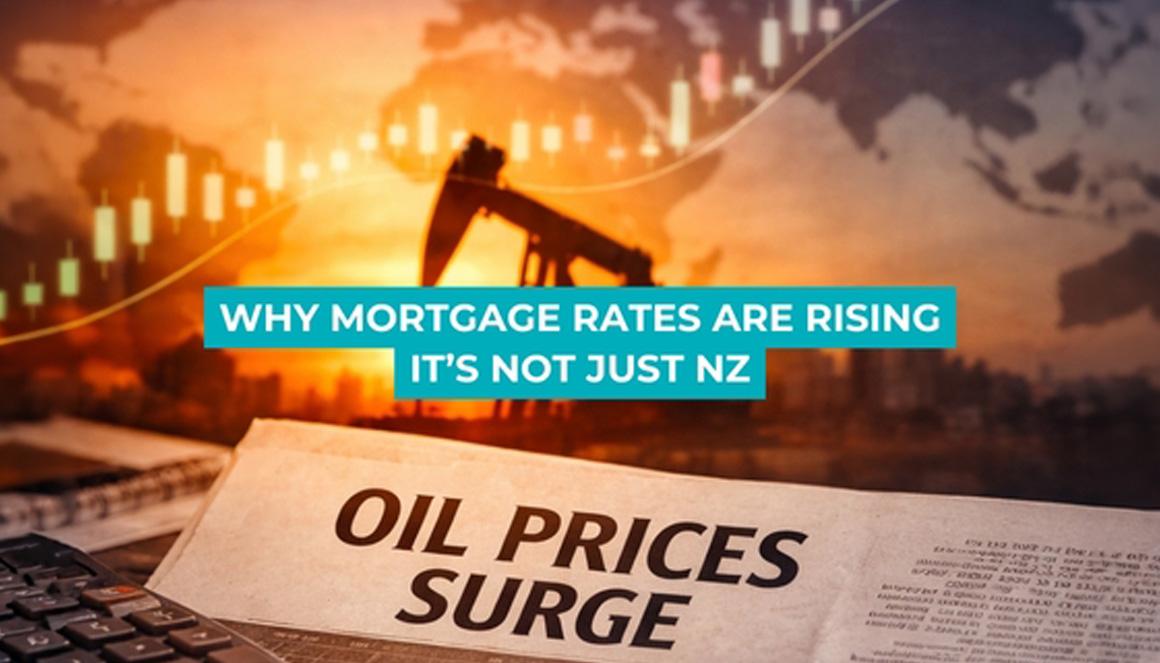
In the last few weeks, headlines have been dominated by the escalating crisis in Iran and the effective closure of the Strait of Hormuz. While these events feel worlds away from the New Zealand property market, they are currently the primary drivers behind the recent “pivot” in local mortgage rates.
If you’ve noticed banks like ANZ, Westpac, and BNZ nudging their fixed-term rates upward this week, here is the “why” behind the move.
The “Inflation Spark”: Oil and Energy
The Strait of Hormuz is the world’s most important oil chokepoint. With its closure, global Brent crude prices have surged past $110 per barrel.
For New Zealand, this doesn’t just mean more expensive petrol at the pump. It creates “imported inflation.” When transport and energy costs rise, the cost of almost everything else follows. This makes the Reserve Bank of New Zealand (RBNZ) nervous; their main job is to keep inflation between 1% and 3%. If global conflict pushes inflation back up, the RBNZ is less likely to cut interest rates – and may even be forced to raise them sooner than expected.
How Wholesale Rates Pull the Strings
Most Kiwis understand the Official Cash Rate (OCR), but the real driver of your 1-to-5-year fixed mortgage is the Wholesale Swap Rate.
Think of wholesale rates as the price banks pay to “buy” the money they then lend to you. These markets are forward-looking; they don’t wait for the RBNZ to act. Because of the uncertainty in the Middle East, investors are now “pricing in” higher risk and higher future inflation.
- The Result: Wholesale swap rates have jumped significantly this month.
- The Reaction: When it costs banks more to borrow money on the global market, they pass those costs on to borrowers. This is why we’ve seen popular 18-month and 2-year fixed rates climb back toward the 5% mark this week.
The “Safe Haven” Effect
During a global crisis, investors often flock to “safe” currencies like the US Dollar. This has caused the NZ Dollar to weaken. A lower NZD makes our imports (like construction materials and electronics) even more expensive, adding a second layer of inflationary pressure that keeps mortgage rates “higher for longer.”
What should you do?
The era of “bottomed out” rates appears to be behind us for now. If you have a roll-over coming up, the strategy has shifted:
- Don’t “Wait and See”: The market has moved from expecting rate cuts to pricing in potential hikes by late 2026.
- Consider Shorter Fixes: Some advisors are suggesting 6-month terms for those who believe the Iran crisis will be short-lived, allowing for a “re-calculate” once the dust settles.
- Lock in Certainty: If your budget is tight, locking in a 2 or 3-year rate now provides protection against further global volatility.
Current Rate Snapshot (March 2026)
- 6 Months: ~4.49% (Stable)
- 1 Year: 4.59% – 5.13% (Rising)
- 2 Years: 4.89% – 5.09% (Rising)
Every household is different. Reach out today for a confidential chat about your refixing strategy.
Need mortgage or insurance advice?