Buying Your First Home? The Due Diligence Checklist Every Kiwi Buyer Should Know
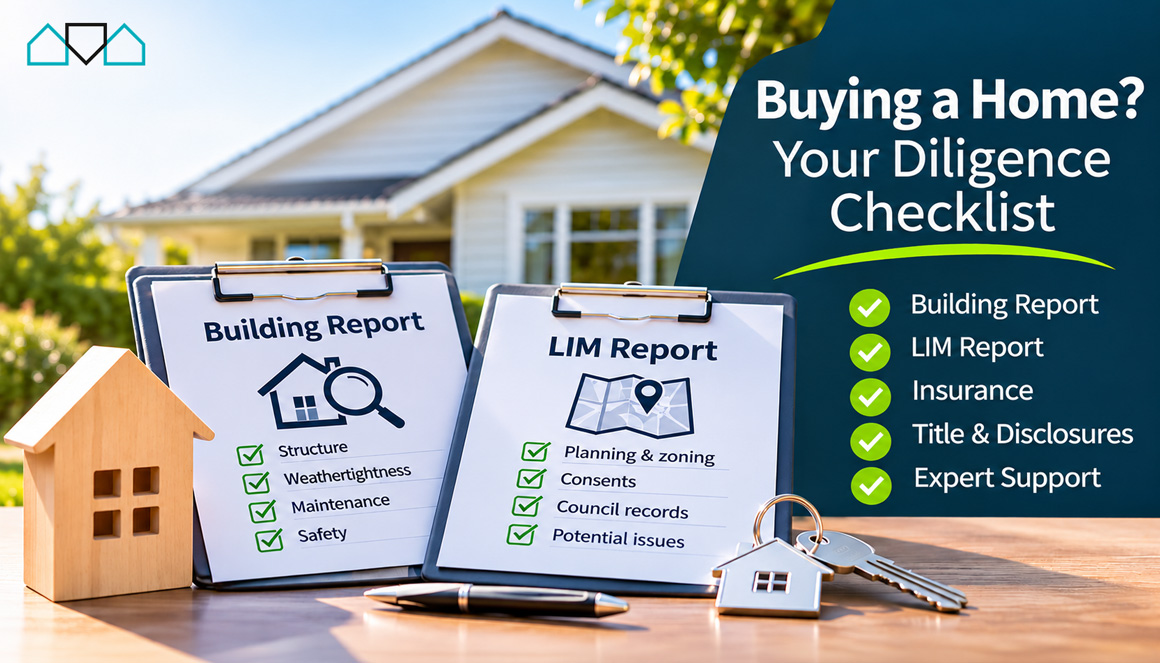
Buying your first home is exciting, but before you sign on the dotted line, it’s important to know exactly what you’re buying.
For many first-home buyers, finding a property they love is the easy part. Understanding the potential risks, checking the paperwork, arranging finance and making sure the property is insurable can be a little more complicated.
That’s where doing your due diligence comes in.
At The Mortgage Advice Company, we believe our job goes well beyond arranging a home loan. We help guide our clients through the buying process, identify potential issues early and connect them with the right professionals so they can make informed decisions.
Here are some of the key checks every first-home buyer should consider before committing to a property.
Get a Building Inspection Report
A house might look fantastic during an open home, but appearances can be deceiving.
A professional building inspection can help identify issues such as:
- Moisture ingress and potential weathertightness problems
- Structural defects or foundation concerns
- Roofing, plumbing and drainage issues
- Poor workmanship or unconsented alterations
- Maintenance that could result in significant future costs
Particular care should be taken with properties featuring monolithic cladding, older construction methods or signs of previous water damage.
A building report can also be important to your lender. Some findings may require further investigation before finance can be confirmed.
Our advice: Don’t assume that because a property looks tidy or free from problems. A few hundred dollars spent on a professional inspection could potentially save you thousands.
Review the LIM Report
A Land Information Memorandum (LIM) is issued by the local council and contains important information held about the property.
It may reveal:
- Building consents and Code Compliance Certificates
- Flooding, erosion, slips or other recorded natural hazards
- Drainage and stormwater information
- Council notices or outstanding compliance issues
- Rates information and other relevant property records
One particularly important consideration is whether alterations or additions have the appropriate council approvals.
For example, a beautifully renovated bathroom, converted garage or new deck might look great, but if the work required consent and it wasn’t obtained, this could create issues with your lender, insurer or future resale.
We encourage buyers to have their solicitor review the LIM and raise any concerns before their due diligence conditions expire.
Check the Property Title
The Record of Title identifies the legal ownership of the property and any registered interests or restrictions.
Your solicitor should review the title for matters such as:
- Easements and rights of way
- Covenants restricting how the property can be used
- Shared driveways and access arrangements
- Cross-lease conditions
- Encroachments or other legal complications
These details can have a significant impact on how you use your property and, in some cases, whether a bank is comfortable lending against it.
Not all titles are straightforward, so it’s important to understand what you’re purchasing.
Check That the Property Can Be Insured
One of the most important checks is also one that first-home buyers sometimes leave until the last minute: insurance.
Most banks require appropriate house insurance to be in place before a home loan can settle.
However, not every property is straightforward to insure.
Insurers may have concerns about:
- Flooding or coastal exposure
- Landslip or erosion risks
- Previous natural-hazard claims
- Weathertightness or structural problems
- Older or unusual construction materials
- Outstanding repairs or known property damage
Just because the current owner has insurance doesn’t automatically mean a new purchaser will be offered the same cover or terms.
How The Insurance Advice Company can help
This is where our colleagues at The Insurance Advice Company play an important role.
Their team can help buyers understand the insurance requirements, investigate suitable cover options and identify potential insurance concerns before a purchase becomes unconditional.
They can also assist with reviewing the appropriate level of house and contents cover and discussing personal insurance protection, such as life, trauma and income protection, to help safeguard your ability to meet mortgage commitments if circumstances change.
Having mortgage and insurance advisers working together can make the process much smoother, particularly when a property has unusual features or potential risks.
Understand the Property’s Natural-Hazard Risk – and What Your Bank Thinks
An increasingly important part of buying a home in New Zealand is understanding the risks associated with where the property is located and the land it’s built on.
Flooding, coastal erosion, slips and other natural hazards are becoming more significant considerations for both banks and insurers.
Westpac and property location risk
Westpac is among the banks placing greater emphasis on natural-hazard risk when assessing properties offered as security for a home loan.
This means buyers need to think beyond whether they can afford the property. They also need to consider whether the bank is comfortable with its location and exposure to potential hazards.
A property may appear perfectly sound and be affordable on paper, but its location could still raise concerns during the lending assessment.
Depending on the property, a lender may require further information or specialist reports, impose additional lending requirements, or decide the property isn’t acceptable security.
Our advice: Before spending money on valuations, building reports and legal work, talk to your mortgage adviser about the property you’re considering. We can help identify potential lender concerns early and seek clarification where required.
Pay Attention to Vendor Disclosures
When purchasing a property, it’s important to carefully consider any disclosures made by the vendor or their real estate agent.
These might relate to:
- Previous flooding or water damage
- Earthquake or natural-hazard claims
- Unconsented building work
- Leaks or weathertightness concerns
- Boundary disputes or neighbour issues
- Known defects or previous repairs
If the property has been subject to an EQC or Natural Hazards Commission claim, it’s worth understanding what happened, what repairs were completed and whether any outstanding issues remain.
Where appropriate, request supporting documents such as the claim history, scope of works, repair invoices and evidence of completion.
A disclosure doesn’t necessarily mean you shouldn’t buy the property. It does mean you should investigate the issue properly and understand the implications for your finance, insurance and future ownership.
Make Sure Your Finance Is Approved for the Property
Having mortgage pre-approval is a fantastic starting point, but it doesn’t necessarily mean the bank will approve every property you want to buy.
The lender still needs to be satisfied with the property being offered as security.
Depending on the circumstances, the bank may need to review:
- The signed Sale and Purchase Agreement
- Property valuation information
- The LIM and building inspection report
- Insurance availability
- Property type, construction and condition
- Natural-hazard exposure or other security concerns
This is particularly important for buyers purchasing at auction, where contracts are generally unconditional.
We strongly recommend discussing a property with your mortgage adviser before committing to an unconditional purchase.
Understand Your Due Diligence Conditions and Deadlines
Your Sale and Purchase Agreement may include conditions relating to finance, a building inspection, the LIM, insurance or broader due diligence.
These conditions are important safeguards, but they also come with deadlines.
Your solicitor should explain exactly what each condition means, what investigations you can undertake and when decisions must be made.
It’s essential that the necessary checks are completed within the agreed timeframes.
If something concerning comes up, don’t ignore it or assume it can be sorted out later. Raise it with your solicitor and mortgage adviser immediately.
We’re Here to Help – Not Just Arrange the Mortgage
At The Mortgage Advice Company, we understand that buying your first home can feel overwhelming.
Our role isn’t simply to find you a competitive interest rate. We want to help you navigate the entire lending process with confidence.
That includes reviewing potential property concerns from a lending perspective, helping you understand bank requirements, coordinating with your solicitor and other professionals, and working alongside The Insurance Advice Company to ensure insurance is considered early.
While your solicitor, building inspector and other specialists provide their respective professional advice, we help bring the finance and insurance pieces together.
Buying your first home should be exciting, not full of unexpected surprises.
If you’re starting your first-home journey, or you’ve found a property and aren’t sure what to check next, get in touch with the team at The Mortgage Advice Company.
We’re here to help you make informed decisions, avoid unnecessary surprises and take the next step towards owning your first home.
The Mortgage Advice Company – Helping Kiwis get home.
Need mortgage or insurance advice?